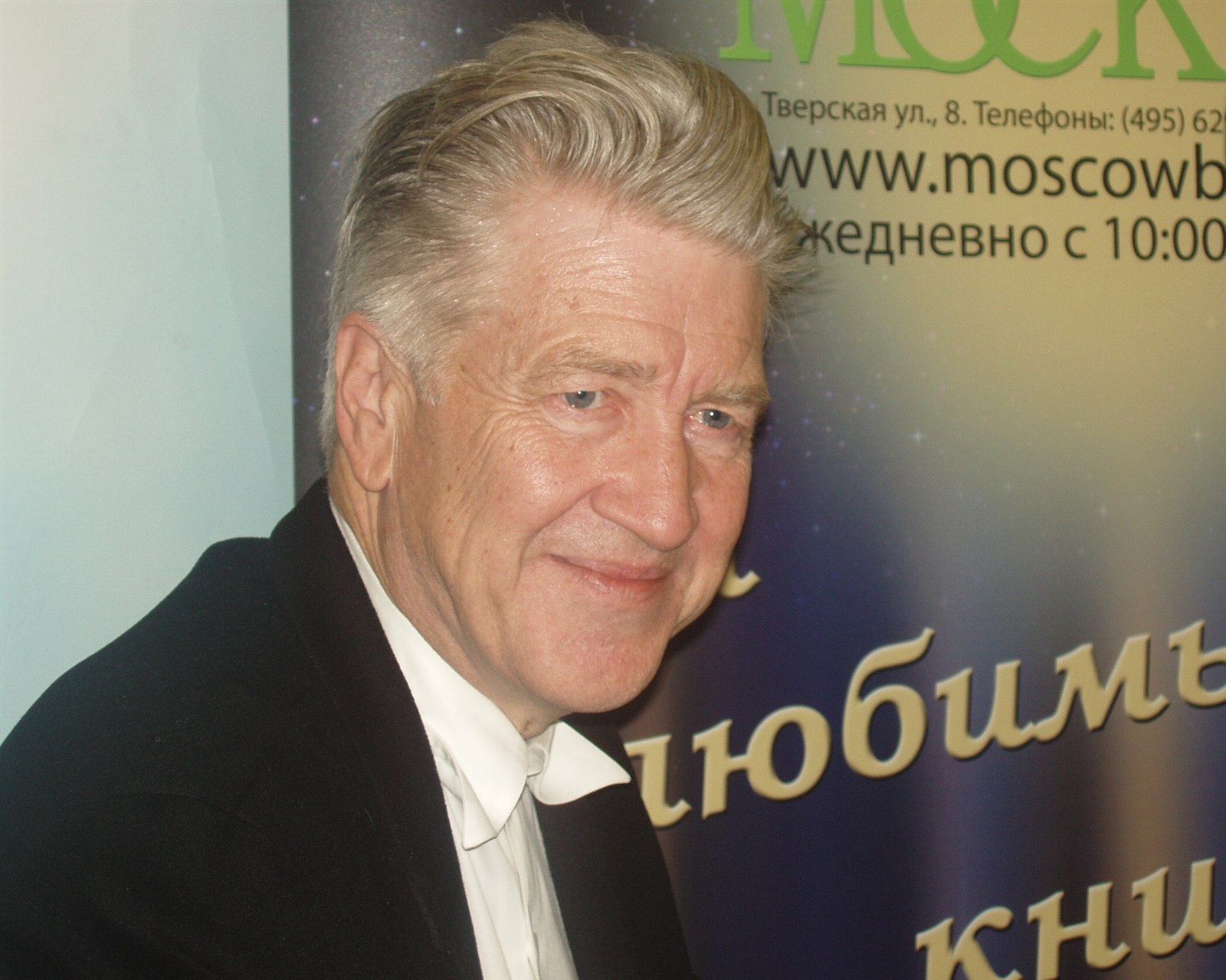
On the Sunday morning of 1 July 1973, at about eleven o’clock, David Lynch sat down for the first time to meditate. He was twenty-seven. He had woken, he said, had a cup of coffee and a cigarette, and then gone to sit. By his own account he was not a happy man: “I had everything going for me,” he recalled — he was making the films he wanted to make — “but I just wasn’t happy.” What had sent him to the Transcendental Meditation center in Los Angeles was a phone call from his younger sister, six months into the practice herself. It was not what she said that reached him so much as how she said it: he heard “more happiness, more self-assuredness” in her voice. “That’s what I want,” he remembered thinking, and went to get it.
At the center, a woman he remembered as looking like the actress Doris Day told him to close his eyes and gave him a mantra to repeat. The effect, he wrote, was instant: “as if I were in an elevator and the cable had been cut.” What he dropped into, he said, was bliss. He kept going, and the change he described afterwards was less in what he could do than in what had left him. “I got happier,” he said, “and this anger that was in me lifted away.”
Twice a day, by his own account
Transcendental Meditation itself is the silent, mantra-based technique Maharishi Mahesh Yogi brought to the West. The practice as Lynch described it is plain enough: eyes closed, a mantra repeated silently, twenty minutes in the morning before the day’s activities begin and twenty more in the evening. What distinguishes his testimony is not the mechanics but what he said it was like to live with them, daily, for more than fifty years of a working filmmaker’s life.
He said he never missed a session. His own message on the foundation’s website has stated for years that he “started Transcendental Meditation in 1973” and has not missed a single one since. That unbroken streak is Lynch’s own claim, repeated in public for decades; there is no independent record of it. And what he built the practice’s value around was less the sitting than what he said came out of it — an argument he made consistently in interviews and in his 2006 book Catching the Big Fish: Meditation, Consciousness, and Creativity: that the twenty minutes gave him working access to ideas he could not otherwise reach.
Fishing for ideas
The book takes its title from a single image, and Lynch leaned on it for the rest of his life: ideas are fish, and meditation is how a person dives for them. The foundation’s own description of the book has him “diving within” and “catching” ideas like fish, then readying them for a screen. TM’s own teaching organization glosses the title the same way — catching the big fish means reaching deeper creativity and more expanded states of consciousness. The shallows, by that logic, are not where the interesting ones are.
The dread in his films, he argued, belonged to the films. In the person making them, anger and depression and sorrow were “like poison to the filmmaker or artist” — “a vise grip on creativity.” What the work actually demanded was the reverse: “You must have clarity to create. You have to be able to catch ideas.”
Building an organization around a phone call
Lynch spent much of his later life turning that private practice into public infrastructure. In 2005 he founded the David Lynch Foundation, a nonprofit built to fund Transcendental Meditation instruction for people who would not otherwise have access to it — underserved inner-city students, veterans with post-traumatic stress and their families, and women and children who have survived violence and abuse. Lynch described the founding goal himself: to make sure that “every child anywhere in the world who wanted to learn to meditate” had the chance to. By the Foundation’s own account, it has since brought the technique to more than 500,000 children and adults worldwide, and it funds university and medical-school research into the program’s effects, at institutions including the Harvard, Stanford and Yale medical schools.
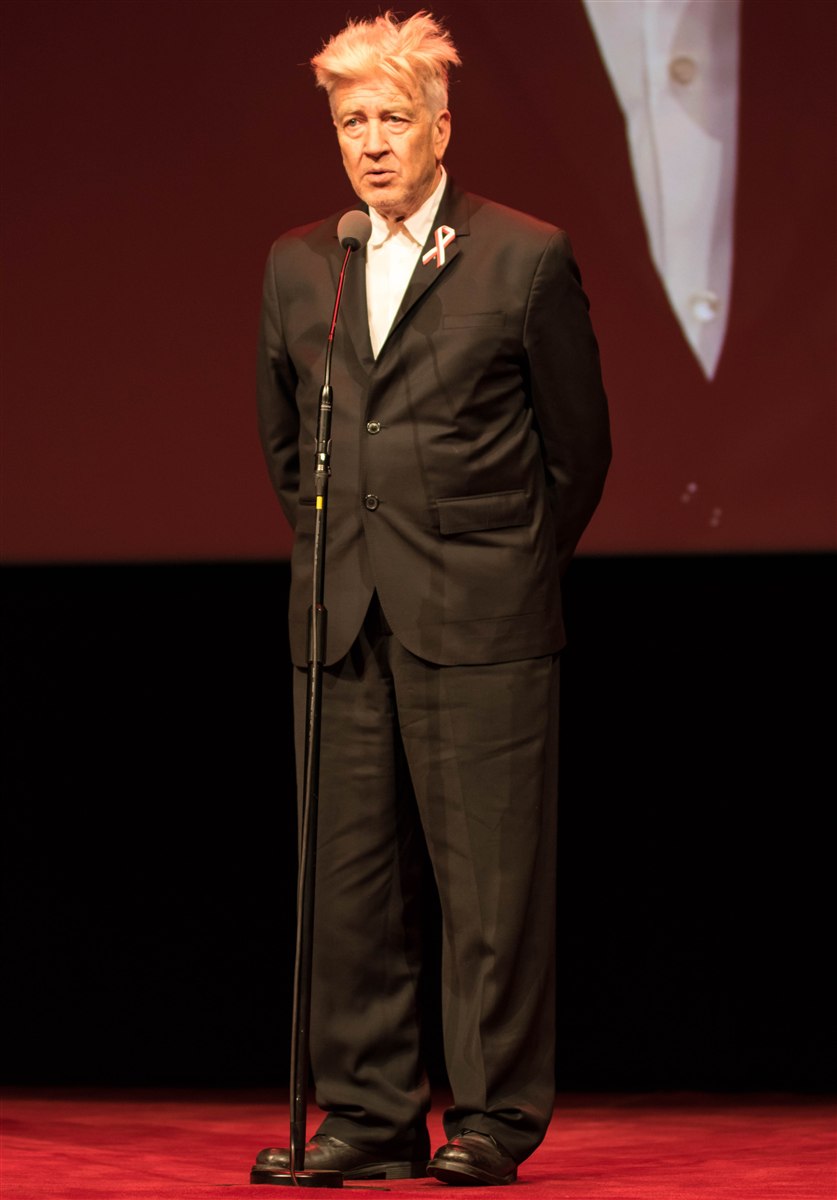
One strand of that work, Operation Warrior Wellness, launched in 2010 to bring the technique specifically to veterans, serving personnel and military families. A 2018 study in the journal Military Medicine taught TM to 46 veterans and active-duty soldiers with clinically diagnosed PTSD, and reported that after a month the large majority had a clinically significant drop in symptoms, most of them falling below the clinical threshold for the disorder. It is a single small trial, and it is summarized here from the press release announcing it rather than from the paywalled paper itself; it is not on its own a verdict on the technique, and the wider evidence base for TM belongs to an account of the practice rather than to an account of what one filmmaker did with it.
What was left behind
Lynch died on 16 January 2025, at seventy-eight. His death certificate lists cardiac arrest as the cause, with chronic obstructive pulmonary disease as the underlying condition; he had lived with emphysema since 2020, after decades as a heavy smoker, and in his last months needed supplemental oxygen. Earlier that month he had left his Los Angeles home because of the wildfires burning across the city, and by one account his condition worsened after the move. Four days after his death, on what would have been his seventy-ninth birthday, his four children invited people around the world to sit for ten minutes of meditation in his memory — a tribute, as they put it, to a father they described as “a guiding light of creativity, love, and peace.” It was, in effect, an invitation to do the one thing he had spent more than fifty years insisting was worth doing twice a day: sit down, close the eyes, and dive.